Introduction: When Architecture Becomes Poetry in Stone
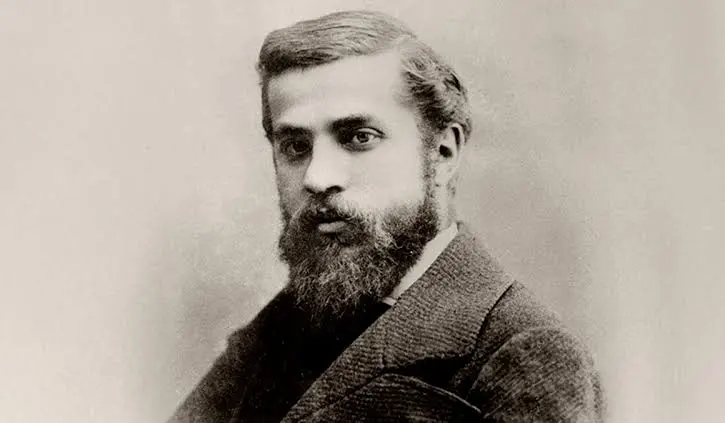
Walk through Barcelona, and you’ll encounter buildings that seem alive—walls that ripple like ocean waves, columns that branch like ancient trees, rooftops that twist like dragon scales, and facades that shimmer with thousands of colorful ceramic fragments. This isn’t fantasy. This is the work of **Antoni Gaudí i Cornet **(1852-1926), the visionary architect who transformed Barcelona into an open-air museum of organic architecture.
But Gaudí wasn’t just creating beautiful buildings. He was expressing a profound philosophy: that nature is God’s greatest masterpiece, and architecture should learn from it.
For tourists visiting Barcelona, understanding Gaudí’s vision and architectural style transforms your experience from simple sightseeing into a deeper appreciation of art, faith, and innovation. When you recognize the symbolism behind a curved column or the engineering genius of a hyperboloid vault, you don’t just see a building—you witness a conversation between humanity, nature, and the divine.
This comprehensive guide unlocks Gaudí’s creative universe. You’ll learn:
- ✨ The core principles behind his revolutionary style
- 🌿 How nature inspired every curve and color
- 🔍 How to “read” Gaudí’s buildings like a local expert
- 🗺️ Which Barcelona masterpieces showcase his evolution
- 💡 Practical tips for experiencing his work authentically
Let’s journey into the mind of the architect who said: “Everything comes from the great book of nature.”
Chapter 1: Who Was Antoni Gaudí? The Man Behind the Masterpieces
Early Life: Roots of a Visionary (1852-1878)
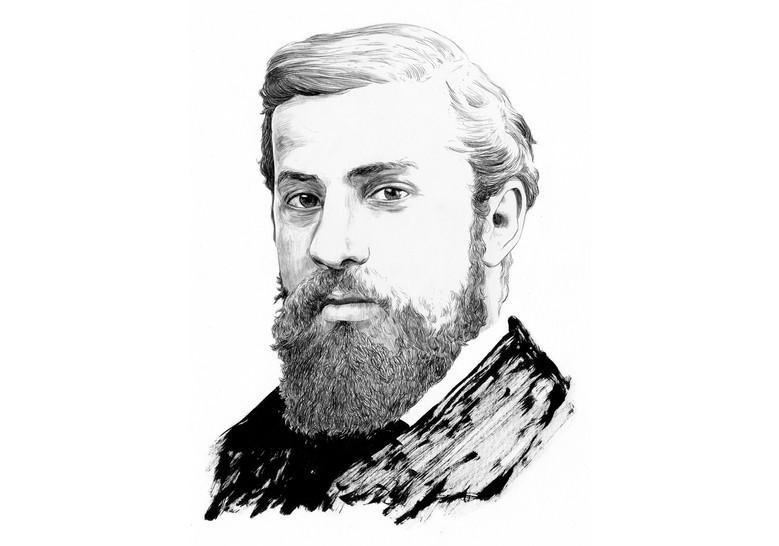
Born in Reus, Catalonia, in 1852, Antoni Gaudí grew up surrounded by the rugged landscapes of the Mediterranean coast. As a sickly child who spent hours observing insects, plants, and rock formations, he developed an intimate connection with the natural world that would define his entire career.
Key Formative Influences:
- Catholic Faith: Deeply religious from childhood; saw architecture as worship
- Catalan Identity: Proud of his heritage; incorporated local materials and traditions
- Industrial Revolution: Witnessed rapid urbanization; sought to humanize modern cities
- Arts and Crafts Movement: Valued handcraftsmanship over mass production
Education and Early Career (1878-1883)
Gaudí graduated from Barcelona’s architecture school in 1878. His director famously remarked: “We have given this academic title either to a fool or a genius. Time will show.”
Early Projects Revealed His Style:
- **Casa Vicens **(1883-1888): His first major work, featuring intricate tilework and Moorish influences
- **El Capricho **(1883-1885): A whimsical villa in Comillas showcasing ornamental experimentation
- **Cooperativa Obrera Mataronense **(1878-1882): Early exploration of modular, worker-focused design
The Turning Point: Eusebi Güell In 1878, Gaudí met industrialist Eusebi Güell, who became his most important patron. Güell gave Gaudí creative freedom and financial support, enabling projects like:
- Palau Güell (1886-1890)
- Park Güell (1900-1914)
- Crypt of Colònia Güell (1898-1914)
This partnership allowed Gaudí to develop his mature style without commercial constraints.
Chapter 2: The Core of Gaudí’s Vision – Philosophy Meets Architecture
“Nature is the Art of God”
Gaudí’s entire architectural philosophy rests on one foundational belief: Nature is the ultimate designer, created by God, and humans should learn from it—not impose rigid geometry upon it.
“Originality consists of returning to the origin.” — Antoni Gaudí
What This Means in Practice:
| Natural Element | Gaudí’s Architectural Translation |
|---|---|
| Tree trunk | Columns that branch to support vaults |
| Honeycomb | Hexagonal tiles and structural cells |
| Seashell spiral | Helical staircases and decorative motifs |
| Bone structure | Lightweight, load-optimized frameworks |
| Light through leaves | Stained glass that filters color like a forest canopy |
| Cave formations | Organic, undulating interior spaces |
The Three Pillars of Gaudí’s Vision
1. Faith as Foundation
Gaudí viewed architecture as a form of prayer. Every curve, color, and symbol in his work carries spiritual meaning.
- Sagrada Família: A “Bible in stone” telling the story of salvation
- Symbolic numbers: 12 apostles, 4 evangelists, 3 theological virtues represented in towers
- Light as divine presence: Stained glass designed to create an atmosphere of transcendence
Tourist Insight: When visiting Gaudí sites, ask: “What story is this space telling?” You’ll discover layers of meaning beyond aesthetics.
2. Nature as Blueprint
Gaudí didn’t just imitate nature—he studied its engineering principles.
Revolutionary Structural Innovations:
- Catenary Arches: The curve formed by a hanging chain; distributes weight perfectly without buttresses
- Hyperboloid Structures: Double-curved surfaces that are strong, lightweight, and visually dynamic
- Helicoid Forms: Spiral shapes found in vines and shells, used for staircases and columns
- Fractal Geometry: Repeating patterns at different scales, like branches on a tree
Why This Matters: These forms aren’t just beautiful—they’re structurally superior. Gaudí achieved height and lightness centuries before modern engineering “discovered” these principles.
3. Craftsmanship as Devotion
In an age of industrialization, Gaudí championed the handmade. He collaborated with:
- Stonemasons who carved organic forms by eye
- Ceramicists who created custom trencadís mosaics
- Ironworkers who forged fluid, plant-like railings
- Glassmakers who developed unique color palettes
Result: Every Gaudí building is a symphony of artisanal skills, making each one utterly unique.
Chapter 3: Decoding Gaudí’s Architectural Style – A Tourist’s Visual Guide
Signature Elements to Spot in Any Gaudí Building
🌿 Organic Forms: No Straight Lines
“The straight line belongs to men, the curved line to God.”
What to Look For:
- Walls that undulate like sand dunes (Casa Milà)
- Columns that flare at the top like mushroom caps (Sagrada Família)
- Roofs that ripple like ocean waves (Casa Batlló)
- Balconies shaped like masks or bones (Casa Batlló)
Tourist Tip: Run your hand along a Gaudí wall. Feel how the curves guide your touch—this is intentional sensory design.
🎨 Trencadís: The Mosaic Magic
Trencadís (Catalan for “chopped”) is Gaudí’s signature technique: assembling broken ceramic tiles, glass, and pottery into shimmering mosaics.
Where to See It Best:
- Park Güell’s serpentine bench (longest in the world)
- Sagrada Família’s tower spires
- Casa Batlló’s roof and facade details
Why It’s Genius:
- Recycles waste materials (sustainable before it was trendy)
- Creates dazzling light effects as sun hits different angles
- Allows complex curves impossible with uniform tiles
Photo Opportunity: Visit Park Güell at golden hour—trencadís glows like jewels in low-angle sunlight.
🔶 Symbolism in Every Detail
Gaudí embedded meaning everywhere. Learn to “read” his buildings:
| Symbol | Meaning | Where to Find It |
|---|---|---|
| Dragon | Evil defeated by faith | Casa Batlló roof (St. George legend) |
| Cross with 4 arms | The four cardinal directions / Gospels | Sagrada Família towers |
| Pine cone | Fertility, eternal life | Park Güell entrance pavilions |
| Pelican | Self-sacrifice (feeds young with its own blood) | Sagrada Família Passion Facade |
| Snail | Patience, slow progress | Decorative elements throughout |
Tourist Challenge: Pick one symbol and hunt for it across multiple Gaudí sites. You’ll see how he wove a cohesive visual language.
💡 Light as a Building Material
Gaudí didn’t just add windows—he choreographed light.
Techniques to Notice:
- Graduated Color: Sagrada Família’s east side uses cool blues/greens (morning light); west side uses warm reds/oranges (afternoon light)
- Light Wells: Interior courtyards that funnel sunlight deep into buildings (Casa Milà)
- Perforated Stone: Facades that filter light like lace (Sagrada Família)
- Reflective Surfaces: Trencadís and polished stone that bounce light dynamically
Best Time to Visit:
- **Morning **(9-11 AM): East-facing spaces glow with cool, serene light
- **Late Afternoon **(4-6 PM): West-facing areas burst with warm, dramatic hues
🏗️ Structural Honesty: Form Follows Force
Unlike architects who hide structural elements, Gaudí celebrated them.
What This Looks Like:
- Columns that visibly branch to carry loads (no hidden steel)
- Arches whose shape reveals their engineering logic
- Roofs whose form directly responds to wind and rain
Tourist Insight: Look up. Gaudí wants you to see how the building stands—it’s part of the beauty.
Chapter 4: Gaudí’s Masterpieces in Barcelona – A Style Evolution Tour
Understanding Gaudí’s development helps you appreciate each building in context. Here’s his architectural journey, mapped for tourists:
Phase 1: Orientalist & Neo-Gothic Experiments (1883-1890)
Style: Ornate, historicist, experimenting with materials
Must-See:
- Casa Vicens (Gràcia): Gaudí’s first major commission. Look for:
- Green-and-white checkered tiles inspired by marigold flowers
- Turrets with Islamic-inspired arches
- Interior palm-leaf motifs in ironwork
- Tourist Tip: Less crowded than other sites; book online for timed entry
- Palau Güell (Raval): Early collaboration with patron Eusebi Güell
- Parabolic arch entrance for horse carriages (genius logistics!)
- Central salon with starry ceiling (holes for lanterns)
- Rooftop chimneys as sculptural art
- Tourist Tip: Visit the basement stables to see Gaudí’s early structural experimentation
Phase 2: Mature Modernisme (1900-1910)
Style: Fully organic, nature-inspired, symbolic
Must-See:
- Park Güell (Gràcia): A “garden city” that became a public park
- Serpentine bench covered in trencadís (sit anywhere—it’s ergonomically perfect)
- Hypostyle Hall: 86 Doric columns that double as drainage
- Gingerbread houses at entrance: whimsical yet structurally sound
- Tourist Tip: Arrive at opening (8 AM) to avoid crowds; the monumental core requires timed tickets
- Casa Batlló (Eixample): “The House of Bones”
- Facade: Scales like a dragon, balconies like masks
- Interior: No right angles; light well tiled in gradient blues
- Roof: Arched spine of St. George’s dragon, with cross-topped tower
- Tourist Tip: Book the “Blue” or “Gold” experience for augmented reality insights
- **Casa Milà **(La Pedrera) (Eixample): “The Stone Quarry”
- Undulating stone facade that seems to melt
- Rooftop: Surreal chimneys and ventilation towers like warriors
- Interior: Flexible floor plans (revolutionary for 1912)
- Tourist Tip: Visit at night for the magical “La Pedrera Night” show with projections
Phase 3: Sacred Synthesis (1910-1926)
Style: Spiritual, monumental, technically revolutionary
Must-See:
- Sagrada Família (Eixample): Gaudí’s life work and masterpiece
- Nativity Facade: Celebration of life, covered in flora/fauna carvings
- Passion Facade: Stark, angular depiction of Christ’s suffering
- Interior: Forest of branching columns; light as divine presence
- Museum: See Gaudí’s workshop, models, and personal items
- Tourist Tip: Book tower access in advance; choose Nativity for ornate views, Passion for city panoramas
- Crypt of Colònia Güell (Santa Coloma de Cervelló, 20-min train ride)
- “Laboratory” for Sagrada Família techniques
- First use of catenary arches and inclined columns
- Tourist Tip: Combine with a visit to the industrial colony museum for historical context
Chapter 5: How to “Read” Gaudí Like a Local – Practical Observation Tips
Before You Visit: Prepare Your Eyes
Download These Resources:
- Official Gaudí Barcelona app (audio guides + AR features)
- “Gaudí Decoder” cheat sheet (printable symbol guide)
- Google Maps with Gaudí sites pinned + walking routes
Pack Smart:
- Comfortable walking shoes (Barcelona is hilly)
- Small notebook to sketch details you love
- Polarizing filter for phone camera (reduces glare on trencadís)
On-Site Observation Framework: The 5-Layer Method
Use this simple system at any Gaudí building:
Layer 1: Overall Form
- What natural object does the building resemble? (ship, cave, forest, animal?)
- How does it interact with light at this time of day?
Layer 2: Materials & Texture
- Touch the surfaces (where allowed): rough stone? smooth tile? warm wood?
- Notice how materials change from base to roof
Layer 3: Details & Symbolism
- Zoom in on one balcony, window, or sculpture
- What story might it tell? (biblical, natural, personal?)
Layer 4: Structure & Engineering
- Look up: How do columns support the roof?
- Find the “hidden” functional elements (drainage, ventilation, light wells)
Layer 5: Emotional Response
- How does the space make you feel? Awe? Calm? Wonder?
- Gaudí designed for emotional impact—trust your reaction
Tourist Exercise: Spend 10 minutes in silence at one spot. Note what you see, feel, and wonder. This is how Gaudí wanted his buildings experienced.
Photography Tips for Gaudí Sites
Best Angles:
- Low angle: Emphasizes soaring columns and dramatic facades
- Detail shots: Capture trencadís patterns, ironwork, carved stone
- Light play: Photograph stained glass projections on floors/walls
- Context shots: Include surrounding Barcelona to show contrast
Avoid:
- Flash photography (damages materials, often prohibited)
- Tripods in crowded areas (check site rules)
- Blocking pathways for photos (be respectful)
Golden Hour Magic:
- Casa Batlló: Sunset light makes the facade shimmer
- Sagrada Família: Morning light through east windows creates ethereal blues
- Park Güell: Late afternoon sun ignites the trencadís bench
Chapter 6: Gaudí’s Legacy – Why His Vision Matters Today
Influence on Modern Architecture
Gaudí was decades ahead of his time. Today’s architects recognize him as a pioneer of:
- Biomimicry: Design inspired by nature’s solutions (now a major sustainability field)
- Parametric Design: Computer-generated organic forms (Gaudí did this with physical models)
- Sustainable Building: Local materials, passive climate control, waste reduction
- Experiential Architecture: Spaces designed for emotional and spiritual impact
Famous Architects Inspired by Gaudí:
- Santiago Calatrava (structural poetry)
- Zaha Hadid (fluid forms)
- Frank Gehry (sculptural buildings)
- Bjarke Ingels (nature-integrated design)
UNESCO Recognition & Global Impact
In 2005, UNESCO designated seven Gaudí works as World Heritage Sites, citing:
“The exceptional contribution of Gaudí’s work to the development of architecture and building technology… representing an eclectic style that is personally distinctive.”
Why This Matters for Tourists: You’re not just visiting pretty buildings—you’re experiencing globally significant cultural heritage.
Gaudí in Contemporary Barcelona
Living Legacy:
- City Identity: Gaudí’s style defines Barcelona’s brand worldwide
- Tourism Economy: His sites draw millions, funding preservation and local businesses
- Architectural Education: Barcelona schools teach Gaudí’s methods alongside modern tech
- Cultural Pride: Catalans see Gaudí as a symbol of creativity and resilience
Controversies to Understand:
- Overtourism: Popular sites face crowd management challenges
- Completion Debates: Should Sagrada Família be finished exactly as Gaudí planned, or adapted with modern techniques?
- Commercialization: Balancing accessibility with preservation
Respectful Tourism Tips:
- Visit lesser-known Gaudí sites (Casa Vicens, Colònia Güell) to reduce pressure on highlights
- Follow all site rules (no touching fragile surfaces, stay on paths)
- Support local artisans by buying authentic crafts, not mass-produced souvenirs
Chapter 7: Essential Tourist Information – Plan Your Gaudí Journey
The Ultimate Gaudí Itinerary Options
🕐 **Half-Day Express **(4 hours)
- Morning: Sagrada Família (3 hours with audio guide)
- Afternoon: Casa Batlló or Park Güell (choose one)
🌞 **Full-Day Deep Dive **(8 hours)
- Morning: Sagrada Família + Museum
- Lunch: Picnic in Park Güell gardens
- Afternoon: Casa Batlló + Casa Milà (both on Passeig de Gràcia)
- Evening: Sunset at Bunkers del Carmel for city views including Sagrada Família
🗓️ Multi-Day Gaudí Pilgrimage
- Day 1: Sagrada Família + Casa Batlló
- Day 2: Park Güell + Casa Milà + Casa Vicens
- Day 3: Colònia Güell Crypt + Palau Güell + Gaudí House Museum (in Park Güell)
Ticket Strategy: Save Time & Money
**Book in Advance **(Non-Negotiable)
- Sagrada Família: Book 3-4 weeks ahead for tower access
- Park Güell Monumental Core: Timed entry required
- Casa Batlló/Casa Milà: Online tickets skip long queues
Money-Saving Tips:
- Barcelona Card: Includes some Gaudí sites + public transport
- Combined Tickets: Sagrada Família + Audio Guide often better value
- Free Entry: First Sunday of month for some sites (check official websites; expect crowds)
- Student/Senior Discounts: Bring valid ID
Avoid Scams:
- Only buy from official websites or authorized vendors
- Beware of “skip-the-line” sellers charging 2-3x face value
- Verify tour guide credentials (official Gaudí guides wear badges)
Accessibility Considerations
Good News: Most major Gaudí sites have improved accessibility:
- Sagrada Família: Elevators to towers, wheelchair-accessible routes
- Casa Milà: Elevator to rooftop, accessible restrooms
- Park Güell: Accessible paths to main areas (steep hills elsewhere)
Challenges to Know:
- Many original features (spiral stairs, uneven floors) can’t be modified due to heritage status
- Trencadís surfaces can be slippery when wet
- Crowds can make navigation difficult for mobility devices
Pro Tip: Contact sites directly before visiting to arrange assistance if needed.
Best Times to Visit Gaudí Sites
| Site | Least Crowded | Best Light | Special Events |
|---|---|---|---|
| Sagrada Família | Weekdays 8-9 AM | Morning (east light) | Christmas concerts |
| Park Güell | Weekdays 8-10 AM | Late afternoon | Summer evening concerts |
| Casa Batlló | Weekdays 9 AM | Sunset | Night experiences |
| Casa Milà | Early morning | Golden hour | Rooftop yoga sessions |
| Casa Vicens | Any weekday | Mid-morning | Garden workshops |
Seasonal Advice:
- **Spring **(April-May): Mild weather, fewer crowds than summer
- **Fall **(September-October): Pleasant temperatures, beautiful light
- Avoid: August (peak heat + crowds), major holidays (Dec 25, Jan 1)
Chapter 8: Frequently Asked Questions – Gaudí for Tourists
Q: Do I need to understand architecture to appreciate Gaudí?
A: Absolutely not! Gaudí designed for emotional impact first. If a space makes you pause, wonder, or feel awe—you’re experiencing it exactly as intended. Use this guide to deepen your appreciation, not as a test.
Q: Which Gaudí building is “best” for first-time visitors?
A: Sagrada Família offers the most complete introduction to his vision: nature-inspired structure, spiritual symbolism, technical innovation, and breathtaking beauty. Pair it with Casa Batlló for a contrasting, more intimate experience.
Q: Can I visit Gaudí sites without a guide?
A: Yes, but highly recommended to use an audio guide or app. Gaudí’s symbolism and engineering aren’t always obvious. The investment (~€5-10) transforms your visit from “pretty building” to “profound experience.”
Q: Are Gaudí’s buildings safe with ongoing construction (especially Sagrada Família)?
A: Yes. All visitor areas are rigorously inspected and separated from construction zones. At Sagrada Família, you may see cranes—but this is part of the living history. Safety protocols are strict.
Q: Why do Gaudí’s buildings feel so different from other architecture?
A: Because he rejected the dominant philosophy of his time: that buildings should be rational, symmetrical, and geometric. Instead, he asked: “What would nature do?” The result is architecture that feels alive, emotional, and deeply human.
Q: Is it worth visiting lesser-known Gaudí sites like Casa Vicens or Colònia Güell?
A: If you have time, absolutely. These sites show Gaudí’s creative process and are far less crowded. Casa Vicens reveals his early experimentation; Colònia Güell is the “laboratory” for Sagrada Família. Perfect for repeat visitors or architecture enthusiasts.
Q: How can I support preservation of Gaudí’s work?
A:
- Buy tickets from official sources (funds maintenance)
- Follow site rules (no touching fragile surfaces)
- Share respectful photos that educate others
- Consider donating to preservation foundations
- Choose sustainable tourism operators
Q: What’s the one thing I shouldn’t miss at any Gaudí site?
A: Look up. Gaudí designed ceilings, vaults, and rooftop details with extraordinary care. The “fifth facade” (the roof) is often his most imaginative work. Also, pause to feel the light—how it moves, changes color, and creates atmosphere. This is Gaudí’s true magic.
Conclusion: Carry Gaudí’s Vision Beyond Barcelona
Antoni Gaudí didn’t just build structures—he built invitations. Invitations to slow down, to observe nature more closely, to find beauty in imperfection, and to see the sacred in the everyday.
When you leave Barcelona, you don’t have to leave Gaudí behind. His vision offers a lens for seeing the world differently:
🌿 In your garden: Notice how branches support weight; how light filters through leaves
🏙️ In your city: Ask how buildings could better serve human well-being
✨ In your life: Seek the curve over the rigid line; the handmade over the mass-produced
As Gaudí reminded us: “Those who look for the laws of Nature as a support for their new works collaborate with the creator.”
Your visit to his masterpieces isn’t just tourism—it’s participation in a timeless conversation between humanity, nature, and wonder.
Plan Your Gaudí Adventure Today
Ready to experience architectural genius?
📍 Start Here: Gaudí Barcelona Portal – sagradafamiliadiscovery.com
🎫 Book Smart: Reserve Sagrada Família tickets NOW for your travel dates
🗺️ Download: Free Gaudí Walking Map (available at tourist offices)
🎧 Enhance: Rent audio guides or use official apps for deeper insights
Barcelona Tourist Offices:
- Plaça de Catalunya (main office)
- Sagrada Família visitor center
- Airport terminals T1 & T2
Pro Tip: Combine your Gaudí tour with our companion guides:
→ [Sagrada Família History: 1882 to Present]
→ [Best Photo Spots at Gaudí’s Masterpieces]
→ [Barcelona Beyond Gaudí: Hidden Modernisme Gems]
Have you experienced Gaudí’s architecture? Which detail moved you most? Share your story in the comments below—and inspire fellow travelers!